
The Truth About Credit Score Impact: Short-Term Fear vs. Long-Term Reality
The Debt Doctor
4/13/20261 min read
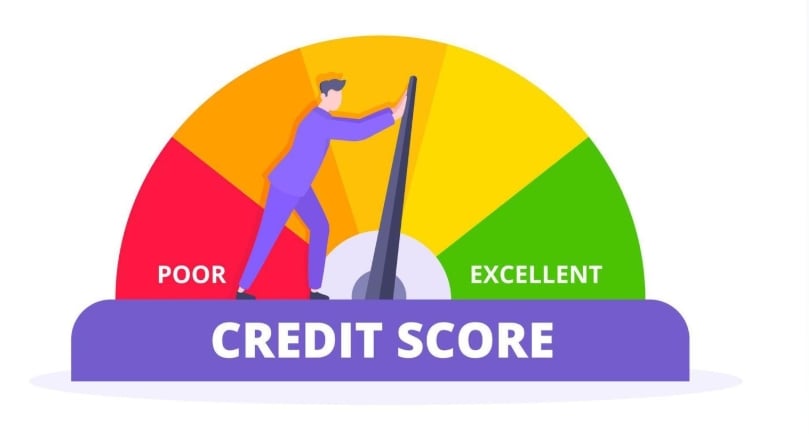
Few things create more hesitation around addressing debt than concerns about credit score impact.
It’s understandable. Credit scores affect borrowing ability, interest rates, and even housing opportunities. The fear of damaging that score often leads people to maintain the status quo—even when the status quo isn’t working.
What’s often overlooked is that many individuals dealing with significant debt are already experiencing credit pressure. High utilization, increasing balances, and occasional late payments all contribute to a declining score over time.
In other words, inaction has its own consequences.
When someone takes a more direct approach to addressing debt—especially through structured programs or negotiated strategies—there may be short-term fluctuations in their credit profile. That part is real.
But credit is not built on avoidance. It is built on resolution.
Over time, reducing balances, eliminating accounts, and stabilizing cash flow tend to have a more meaningful and lasting impact than simply maintaining minimum payments on high balances.
There is also a broader perspective to consider. A credit score is a tool, not a goal. It reflects financial behavior, but it does not replace financial stability.
Someone with a slightly lower score but no high-interest debt is often in a far stronger position than someone with a higher score who is heavily leveraged.
Understanding this distinction is critical. It shifts the focus from short-term optics to long-term outcomes.