When Debt Becomes a Real Problem: 5 Signs You Should Pay Attention To
The Debt Doctor
4/7/20261 min read
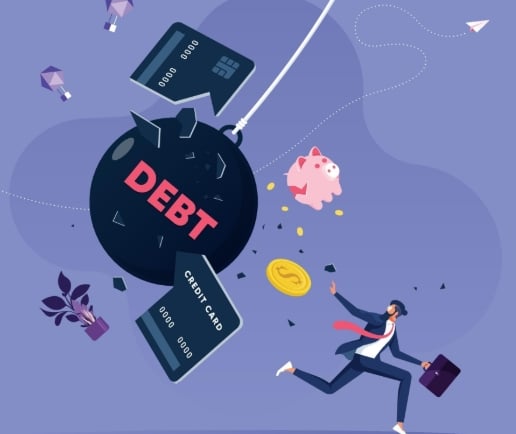
Not all debt is inherently negative. Used correctly, it can be a tool—whether for building credit, financing growth, or managing cash flow.
But there is a point where debt transitions from useful to problematic. The challenge is that this shift often happens gradually, without a clear moment of realization.
There are, however, consistent warning signs.
The first is reliance. When everyday expenses—groceries, utilities, basic living costs—are increasingly being covered by credit, it signals a gap between income and obligations.
The second is stagnation. If balances are not decreasing despite regular payments, the structure of the debt is working against you.
The third is movement without progress. Transferring balances, opening new accounts, or using one form of credit to manage another can create temporary relief, but it rarely changes the underlying issue.
The fourth is stress. Avoiding phone calls, feeling tension around due dates, or experiencing constant financial pressure are indicators that the situation is no longer sustainable.
The fifth is avoidance. When someone stops checking balances or delays reviewing their financial position altogether, it often reflects a deeper level of overwhelm.
Individually, these signs may not seem critical. Together, they form a pattern.
The earlier that pattern is recognized, the more options remain available. Over time, those options narrow, and the cost—both financial and psychological—increases.
Debt becomes a problem not just when it exists, but when it begins to control decisions, limit flexibility, and create ongoing pressure.
Recognizing that shift is the first step toward changing it.